Fundamentals of Meat Science
Explore the science of food! Learn about nutrition, carbohydrates, proteins, lipids, vitamins, digestion, food allergies, microorganisms, preservation, and more. Gain essential knowledge for health and wellness.

Explore the science of food! Learn about nutrition, carbohydrates, proteins, lipids, vitamins, digestion, food allergies, microorganisms, preservation, and more. Gain essential knowledge for health and wellness.

Explore the functions of food: physiological, social, & psychological roles. Learn about nutrients, healthy diets, and food’s impact on well-being.

Explore the history of nutrition science: From the discovery of proteins and vitamins to understanding essential nutrients and their roles.

Learn about nutritional food classification: energy, body-building, & protective foods. Plan balanced meals for health & understand food functions.

Explore the WHO’s definition of health: physical, mental, social & spiritual well-being, not just the absence of disease. Discover holistic health tips.

Learn why carbohydrates are essential for energy, brain function, muscle health, and overall well-being. Understand carbs, glycogen, and ketosis.

Learn about carbohydrates: monosaccharides, oligosaccharides, polysaccharides, their functions, and nutritional significance for a healthy diet.

Explore the best carbohydrate sources! Learn about grains, vegetables, fruits, & even surprising animal sources for optimal nutrition and health.

Explore carbohydrate metabolism disorders: hypoglycemia, lactose intolerance, diabetes, galactosemia, & glycogen storage diseases. Learn symptoms & management.

Learn about dietary fiber, its types (soluble & insoluble), health benefits, and how it protects your heart, controls blood sugar & prevents disease.

Explore the vital roles of protein: tissue building, enzymes, hormones, immunity, & more. Learn protein’s impact on health & dietary needs.

Learn about amino acids, the building blocks of proteins! Explore essential/non-essential types, structure, functions, and their role in nutrition.
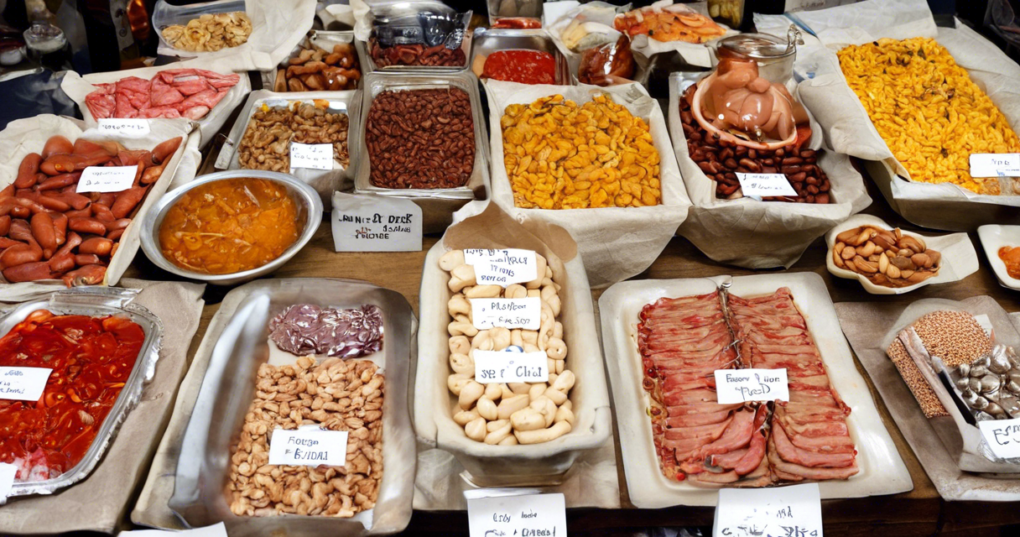
Learn about complete and incomplete proteins, essential amino acids, and how to combine plant-based foods for a balanced diet.

Explore meat proteins: myofibrillar, sarcoplasmic, & stromal. Understand how they impact tenderness, color, cooking, & nutritional value.

Learn about protein deficiency, PEM (marasmus & kwashiorkor), its global impact, symptoms, causes, prevention, and vulnerable populations.

Explore the diverse world of enzymes: from medicine and food to detergents and biofuels. Learn how these catalysts impact industries!

Explore the vital roles of lipids (fats) in energy, insulation, cell structure, hormones, and more. Understand their impact on health and industry.

Explore lipids: the unsung heroes of your body! Learn about simple, compound, & derived lipids, their roles, and why classification matters.

Explore lipids: fatty acids, triglycerides, phospholipids, sterols & more. Understand their roles in energy storage, cell structure & health.

Explore how lipids impact health: vitamin absorption, ketosis, and heart disease. Learn about healthy fats and balanced diets for optimal wellness.

Explore the versatile world of lipids: cosmetics, food, pharma, biofuels, & more. Discover their surprising roles and sustainable applications.

Learn about vitamins: essential organic compounds, their role in health, deficiency diseases, and how to get them naturally through diet.

Learn about fat & water-soluble vitamins (A, D, E, K, C, B-complex): absorption, storage, sources, deficiency, and toxicity risks.

Learn about fat-soluble vitamins A, D, E, and K: their benefits, food sources, deficiency risks, and how to maintain a balanced intake.

Learn about water-soluble vitamins (B-complex, C): benefits, sources, deficiencies, and how to get enough through diet.

Explore the fascinating world of hormones, their role in human health, animal production, and how they impact meat science.

Learn about essential minerals, their roles in your health, food sources, deficiencies, and how to achieve the right balance for optimal well-being.

Explore bioflavonoids: natural plant compounds in colorful fruits & veggies that boost health, fight inflammation, & protect against disease.

Learn about digestive juices: saliva, gastric, pancreatic, bile, & intestinal. Understand enzymes, pH, and how they break down food for absorption.

Learn about gastrointestinal hormones like gastrin, secretin, CCK, & enterogastrone and how they regulate digestion.

Learn how cell membranes transport nutrients! Explore passive & active transport, diffusion, and nutrient absorption in the gut.

Explore digestion & absorption of carbs, fats, proteins & nucleic acids. Learn key enzymes, processes & how it relates to food & meat science.

Explore water absorption in your digestive system: How your body reclaims fluids for hydration, nutrient transport, and overall health.

Explore the large intestine’s crucial role in water/electrolyte absorption, vitamin production, gut bacteria, & its impact on overall health.

Learn how feces are formed in the large intestine: water absorption, bacteria’s role, stool composition, color, odor, movement, and influencing factors.

Learn why some foods cause allergies: the proteins in milk, eggs, peanuts, and more resist cooking and digestion, triggering immune responses.

Explore the allergic mechanism: How your immune system overreacts to harmless substances, triggering reactions & IgE antibody responses.

Learn about anaphylaxis: symptoms, causes, emergency treatment (epinephrine), meat allergies, and how to save a life.

Explore the science of allergens: Learn how protein structures, epitopes, and immune responses trigger food and environmental allergies.

Learn to recognize food allergy symptoms: skin reactions, breathing issues, GI distress, and cardiovascular signs for quick action.

Confused about food allergies? Learn to identify triggers, navigate elimination diets, food diaries, & get accurate diagnoses for better health.

Learn about food allergy testing: double-blind challenges, skin prick tests, & blood tests. Understand accuracy, benefits, and which test is right.

Learn how to manage food allergies safely with avoidance strategies, emergency medication, and emerging treatments like OIT immunotherapy.

Explore food microbiology: bacteria, yeasts, molds, viruses, & parasites. Learn how they affect food safety, spoilage, & how to control them.
Learn about bacteria in food: good & bad types like E. coli, Salmonella, Lactobacillus. Explore food safety, spoilage, & how to control bacterial growth.

Explore the world of yeasts in food: fermentation, benefits, spoilage, safety, & control. Learn about these vital microorganisms!

Learn about molds in food: benefits, risks, spoilage, mycotoxins, & how to control contamination for food safety and mindful cooking.

Learn about foodborne viruses: norovirus, hepatitis A, & E. Understand contamination, prevention, & their impact on food safety & public health.

Learn about foodborne parasites: protozoa, helminths, transmission routes, prevention, and global health impact. Stay safe with proper food handling.

Learn about foodborne illnesses: infections, intoxications, causes, prevention, high-risk groups, and safe food handling practices.

Learn about foodborne infections: Salmonella, Campylobacter, Listeria, E. coli & prevention in meat & animal products. Stay safe!

Learn about foodborne intoxications: toxins in food, common culprits like Staph, Botulism, Bacillus, and prevention tips for food safety.

Learn about toxin-mediated foodborne illnesses like Clostridium perfringens & E. coli. Understand symptoms, prevention, & meat safety tips.

Learn about food poisoning: causes, symptoms (Salmonella, E. coli, Listeria, Norovirus), & prevention tips to keep your family safe from foodborne illness.

Explore microbial contamination sources in food: soil, water, animals, handlers, & more. Learn how to prevent food spoilage & illness.
Learn about intrinsic & extrinsic factors impacting microbial growth in food. Master food safety with pH, water activity, temperature & preservation.

Learn about intrinsic parameters in food! Explore pH, water activity, redox potential, nutrients, antimicrobials, & structure for food safety.

Learn about extrinsic parameters in food safety: temperature, humidity, & gas concentration. Control microbial growth for safer, longer-lasting food.

Learn the 4 microbial growth phases (lag, log, stationary, decline) & intrinsic/extrinsic factors impacting food safety & preservation.

Explore food preservation methods: physical (heat, cold, irradiation) & chemical (acids, nitrites). Learn hurdle tech, emerging tech & food safety.

Explore physical methods for food preservation: heat, cold, irradiation, filtration, drying, and emerging tech for safer, longer-lasting food.

Explore chemical food preservatives: organic acids, nitrites, sulfites, natural antimicrobials, safety, and the future of food preservation.

Explore meat preservation: Learn the science behind preventing spoilage, from refrigeration to curing, drying, and innovative packaging methods.

Explore meat preservation methods: drying, freezing, curing, smoking, irradiation, fermentation, packaging, and hurdle technology for food safety.

Explore meat drying: science, methods (sun, oven, freeze), salt’s role, & best practices for safe, shelf-stable biltong & jerky.

Explore meat chilling & freezing: from preservation techniques to storage, safety, and factors impacting quality. Learn how to keep meat fresh longer.

Explore high-temperature meat preservation: pasteurization, sterilization, HTST, and safety. Learn how heat extends shelf life and ensures food safety.

Explore meat curing & smoking: history, methods (dry, wet), ingredients (nitrites), safety, wood selection, & future trends for flavor & preservation.

Explore meat preservation with antibiotics vs. bacteriocins: safety, resistance, regulations, and the future of natural antimicrobial solutions.

Explore meat fermentation: an ancient preservation method using lactic acid bacteria for flavor, safety, & extended shelf life. Learn about salami, chorizo & more.

Explore meat packaging: vacuum, MAP, cryovac & more. Learn how these methods extend shelf life, maintain freshness & impact consumer appeal.

Explore meat irradiation: a safe method using ionizing radiation to eliminate harmful microbes, extend shelf life, and enhance food safety.

Discover hurdle technology in meat preservation: a multi-layered approach ensuring safety, quality, and natural preservation.