Food Microbiology (CPO)

Food Microbiology (CPO)

1 Classification of Microorganisms Important in the Food Industry

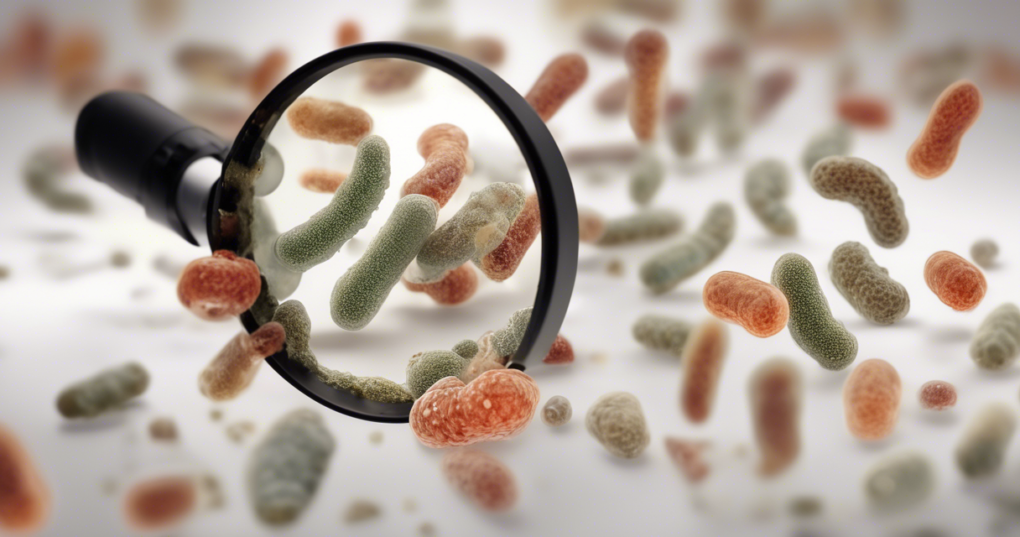
  1. Various Types of Microorganisms
  2. Characteristics (Morphological, Cultural, and Physiological) of Various Microorganisms
  3. Bacteria
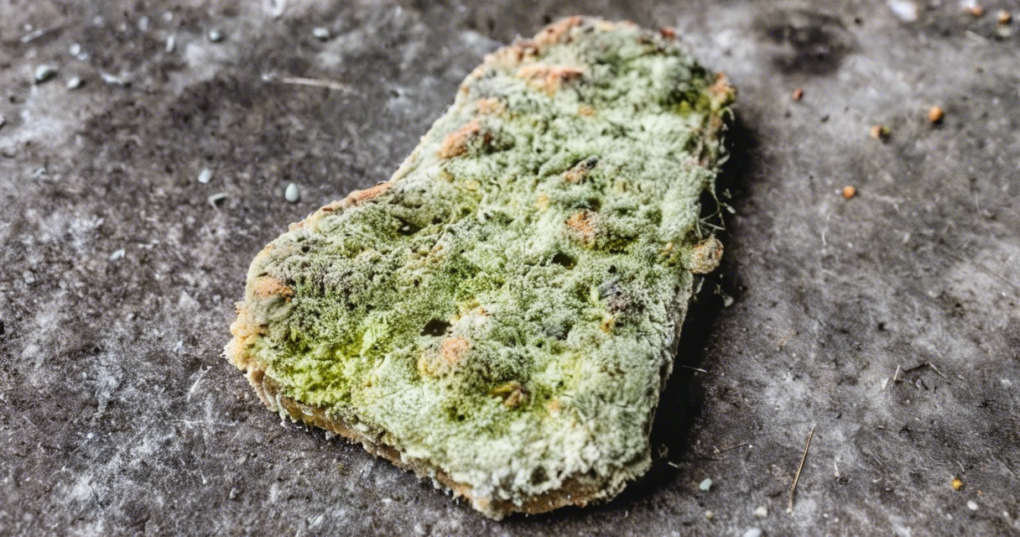
  4. Molds
  5. Yeasts

2 Factors Affecting Growth and Inhibition of Microorganisms in Food

  1. Hydrogen-Ion Concentration (PH)
  2. Moisture Requirement/Water Activity
  3. Oxidation Reduction Potential
  4. Nutrient Content
  5. Biological Structure
  6. Inhibitory Substances

3 Food Intoxications

  1. Natural Toxins
  2. Mycotoxins
  3. Aflatoxin
  4. Ochratoxin
  5. Patulin
  6. Botulism
  7. Staphylococcal Food Poisoning

4 Bacterial Food Infections

  1. Zoonotic Diseases
  2. Salmonellosis
  3. Escherichia coli gastroenteritis
  4. Bacillus cereus gastroenteritis
  5. Cholera
  6. Vibrio parahaemolyticus gastroenteritis
  7. Shigella dysentery
  8. Campylobacteriosis
  9. Yersiniosis (Yersinia enterolytica infection)
  10. Listeria monocytogenes infection (Listeriosis)

5 Drying – Controlling of Microorganisms

  1. Principles
  2. Mechanisms of Dehydration
  3. Theory of Drying
  4. Importance of Water Activity (aw)
  5. Microorganisms Associated with Dried Foods
  6. Microbiology of Dried Foods
  7. Survival of Microorganisms in Dried Foods
  8. Microbial Spoilage of Dried Foods

6 Chemicals for Controlling Microorganisms

  1. Use of Various Food Additives and Chemical Preservatives
  2. Types of Additives
  3. Role of Food Additives
  4. Preservatives
  5. Acidulants
  6. Control of Psychotropic Contamination in Food
  7. General Considerations in the Selection of Chemical Food Additives
  8. Developed and Added Preservatives

7 Chemical

  1. Need for Food Preservation
  2. Techniques of Food Preservation
  3. Characteristics of Chemical Preservatives
  4. Classification of Preservatives
  5. Antioxidant Preservatives
  6. Preservatives that Target Enzymes
  7. Preservatives from Natural Products
  8. Traditional Chemical Food Preservatives
  9. Antimicrobial Preservatives
  10. Organic Acids and Esters
  11. Gaseous Chemical Food Preservatives
  12. Nitrites and Nitrates
  13. General Rules for Chemical Preservation

8 Microbial

  1. Microbiological Profile of Harvested Fruits and Vegetables
  2. Sources of Microorganisms on Fresh Fruits and Vegetables
  3. Factors Affecting Type and Number of Microorganism on Fresh Fruits and Vegetables
  4. Human Pathogens Associated with Fresh Fruits and Vegetables
  5. Standards for Water for Human Consumption
  6. Sources of Contaminants in Drinking Water
  7. Contamination Due to Harmful Microorganisms
  8. Microbiology of Canned Fruits
  9. History of Canning
  10. Basic Principle of Canning
  11. Spoilage of Canned Products
  12. Clostridium Botulinum A Major Threat in Canned Products
  13. Microbiological Standards for Processed Foods

9 Spoilage and Associated Chemical/Physical Changes in Food

  1. Principles of Food Preservation
  2. Classification of Foods Based on Perishability
  3. Factors Governing Spoilage
  4. Chemical and Physical Changes Associated with Food Spoilage
  5. Microbiology of Pulses and Grains and Their Products
  6. Spoilage of Processed Pulses and Grains Products
  7. Preventive Measures

10 Thermal Control of Microorganisms

  1. Thermal Preservation of Foods
  2. Heat Preservation Processes
  3. Sterilization
  4. Commercially Sterile Food Products
  5. Pasteurization
  6. Preservation by Moist Heat
  7. Microbiology of Thermally Processed Food

11 Food Borne Diseases

  1. Types of Food Borne Diseases
  2. Human Diseases
  3. Chemical Contamination of Foods
  4. Non-bacterial Microbiological Contamination of Food
  5. Investigation of Food Borne Disease Outbreak